
Move Better, Recover Faster, Feel Stronger.
Stretching is often one of the first things people skip — whether it’s rushing into a workout or heading straight for the shower afterwards. Yet just a few minutes of stretching can improve flexibility, support recovery and help your body move more comfortably every day.
One of the biggest misconceptions about stretching is that it prevents injuries. While stretching is an important part of a healthy fitness routine, it’s not a cure-all. Research suggests that stretching alone won’t prevent every injury, or eliminate muscle soreness altogether. Instead, its greatest benefits lie in improving flexibility, maintaining mobility, reducing feelings of muscle tightness and preparing your body for movement when used appropriately.
Think of stretching as one piece of a well-rounded approach to staying healthy and active, alongside strength training, adequate sleep, good nutrition, hydration and proper recovery.
As a former NCAA Division I athlete and Olympic Development Program athlete, stretching quickly became a non-negotiable part of my training routine. Over time, I realised its value extended far beyond sport. It helped me recover better, move more freely and stay consistent —benefits that apply just as much to everyday life as they do to athletic performance.
Why is Stretching Important?
Stretching helps maintain flexibility and range of motion, allowing your joints and muscles to move more freely. It can also reduce feelings of muscle tightness, improve posture, and make everyday movements easier. Whether you’re an athlete, avid gym-goer, part-time gym-goer, or simply looking to stay active as you age — stretching is a valuable part of a healthy routine.
Let’s Cover the Basics: Dynamic vs. Static Stretching
Before we dive into the benefits of stretching and when you should be doing it, it’s important to understand the two main types of stretching — dynamic and static stretching. Although both have their place, they serve different purposes and are most effective at different times.
Dynamic Stretching
Dynamic stretching involves controlled, active movements that take your joints and muscles through their full range of motion. Think of it as preparing your body for the activity ahead.
If you’ve ever watched professional athletes warm up before a match — rather than sitting and holding stretches, they’re constantly moving to increase blood flow, activate key muscle groups and prepare their bodies for the demands of the game.
Common examples of dynamic stretches include:
- Arm circles
- Leg swings
- High knees
- Butt kicks
- Walking lunges
- Carioca (sometimes called “karaoke”, not to be confused with singing!)
Dynamic stretching is best performed before exercise, as it helps improve mobility, increase body temperature and get your muscles ready for movement.
Static Stretching
Static stretching involves holding a stretch in one position for a period of time without movement. This type of stretching is designed to gradually lengthen muscles and improve flexibility over time.
You’ll most commonly perform static stretches after exercise as part of your cool-down, although they can also be included in dedicated mobility or flexibility sessions, or for individuals who are unable to perform dynamic movements.
Examples of static stretches include:
- Calf stretch
- Hamstring stretch
- Butterfly stretch
- Child’s pose
- Hip flexor stretch
- Shoulder stretch
Regular static stretching can help improve flexibility, maintain joint range of motion and reduce feelings of muscle tightness over time.
Now that you understand the difference between dynamic and static stretching, let’s explore when you should use each one and why timing matters.
When Should You Stretch?
Before a Workout
Before exercising, focus on dynamic stretching— controlled, movement-based stretches that gradually increase your heart rate and prepare your muscles for activity.
A proper warm-up prepares your muscles, joints and nervous system for exercise, helping you move more efficiently and reducing the likelihood of strains that can occur when jumping straight into intense activity.
After a Workout
After your workout, static stretching is a great way to cool down. Holding each stretch for around 15–30 seconds can help improve flexibility over time, reduce feelings of tightness and signal to your body that it’s time to begin recovering.
As Coach Jackie mentioned in the video above, after exercise your heart rate is elevated and your body is full of energy. Taking a few minutes to stretch can help you transition into recovery while gradually allowing your heart rate to return to its resting level.
When You’re Feeling Sore
If your muscles are sore, gentle stretching may help relieve feelings of stiffness and improve circulation. The key is to stretch comfortably — avoid forcing a stretch or pushing into pain, as overstretching can aggravate already sensitive muscles.
To Improve Mobility
Mobility naturally changes as we age, and prolonged sitting or inactivity can also contribute to stiffness. Regular stretching can help maintain flexibility and support comfortable movement throughout daily life.
For people who are unable to participate in higher-impact activities such as running or jumping, a regular stretching routine can be an excellent way to maintain joint mobility.
The Takeaway: Stretching is a Small Habit with Big Benefits
Stretching doesn’t need to take up a large part of your day to make a difference. Just 5–10 minutes before and after exercise, or as part of your daily routine can help improve flexibility, maintain mobility and support long-term movement and recovery.
Like any healthy habit, consistency matters more than perfection. The more regularly you stretch, the greater the benefits you’ll notice over time.
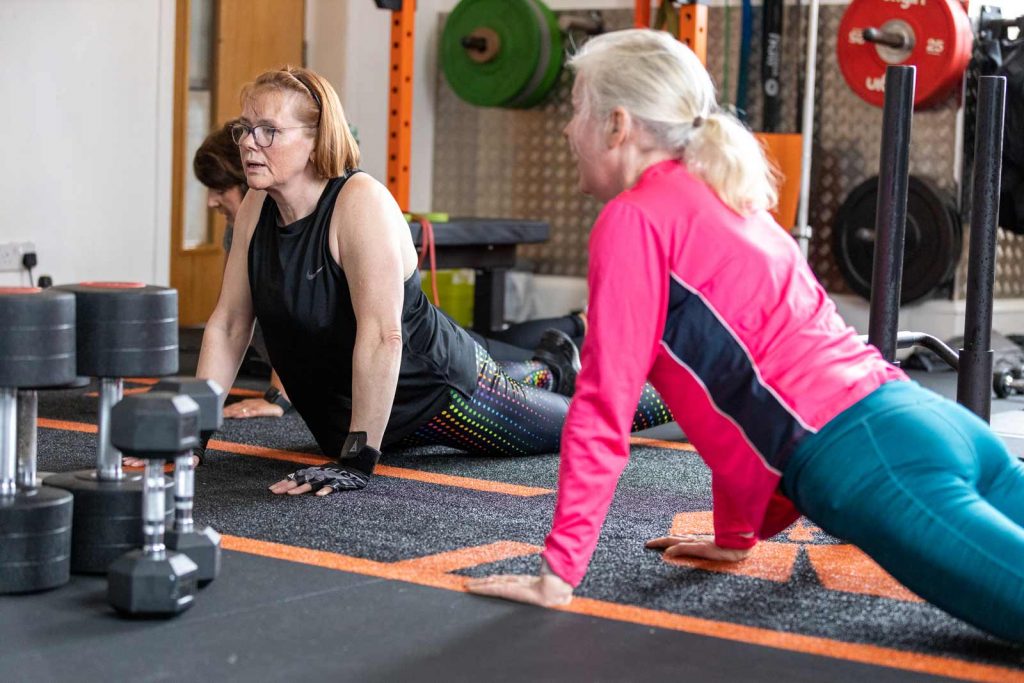
Follow along with the video above as Coach Jackie and Coach Tracey guide you through the basics of stretching and demonstrate simple techniques you can start using today.